Fertility and Gene Expression: How to Cook for Your DNA
Understanding the SNPs, mutations, and gene variants that affect your reproductive health, and exactly how to prepare food to support them.
Your body does not process food the same way your neighbor's does. Your DNA is making decisions right now, about how you absorb folate, how quickly you metabolize estrogen, and whether inflammation is quietly working against your reproductive system. This is not a theory. It is gene expression in action.
When couples struggle with fertility, unexplained infertility, recurrent miscarriage, poor egg quality, low sperm motility, they are often told to eat "a balanced diet." That advice is not wrong, but it is incomplete. What matters is not just what you eat, but whether the nutrients in that food can actually interact with your specific genetic architecture in a meaningful way. And critically: whether your cooking method preserves or destroys the bioavailability of those nutrients before they ever reach your cells.
At Mechanixx of Health, we work at the intersection of genetics and performance nutrition, which means we treat the kitchen as a therapeutic environment, not just a place to feed hunger. In this article, we are going to walk through the most important gene variants linked to fertility, what those mutations actually do, and how to prepare your food to optimize the gene expression that supports reproductive health.
What Is Gene Expression and Why Does It Affect Fertility?
Gene expression is the process by which information in your DNA is used to produce proteins that run virtually every function in your body, including hormone synthesis, cell division, egg maturation, sperm production, implantation, and embryo development. You do not change your genes, but you can profoundly change how your genes are expressed through nutrition, lifestyle, and cooking methodology. This is the science of nutrigenomics.
A single nucleotide polymorphism (SNP), pronounced "snip", is a variation in a single DNA building block. SNPs are not diseases. They are biological tendencies. A SNP in a folate-processing gene does not mean you cannot get pregnant. It means your body needs specific nutritional support to compensate for reduced enzymatic efficiency. The right food, prepared the right way, becomes medicine.
The 7 Key Gene Variants That Directly Impact Fertility
1. MTHFR, Methylenetetrahydrofolate Reductase (The Folate Gateway)
Variants: C677T, A1298C | Prevalence: Common
MTHFR is arguably the most fertility-relevant gene in clinical nutrition. This enzyme converts dietary folate into 5-methyltetrahydrofolate (5-MTHF), the active, usable form your body needs for DNA synthesis, homocysteine regulation, and embryo neural tube development. The C677T variant reduces enzyme activity by approximately 35% per T allele, meaning homozygous individuals (T/T) experience up to a 70% reduction. The A1298C variant compounds this effect.
Elevated homocysteine, the hallmark of poor MTHFR function, is directly linked to recurrent miscarriage, implantation failure, poor egg quality, and male factor infertility through sperm DNA fragmentation.
What this means nutritionally: You cannot rely on standard folic acid supplementation or heavily processed food sources. You need pre-methylated folate from whole foods, and you need to preserve it in your cooking.
2. COMT, Catechol-O-Methyltransferase (Estrogen Metabolism)
Variant: Val158Met | Prevalence: Moderately Common
COMT controls how quickly your body breaks down catecholamines and catechol estrogens. In slow COMT variants (the Met/Met genotype), estrogen metabolites accumulate, specifically the 4-hydroxyestrone metabolite, which is genotoxic and has been associated with endometriosis, estrogen dominance, uterine fibroids, and impaired egg quality.
Women with slow COMT who eat diets rich in cruciferous vegetables, prepared correctly, show significantly improved estrogen clearance because the indole-3-carbinol compounds in those vegetables directly support the secondary metabolic pathways that compensate for reduced COMT activity.
3. VDR, Vitamin D Receptor (Hormonal Signaling)
Variants: BsmI, FokI, TaqI | Prevalence: Highly Variable
Vitamin D is not a vitamin. It is a steroid hormone that acts on over 2,000 genes in the human genome. VDR variants affect how effectively vitamin D binds to its receptor, influencing ovarian reserve (AMH levels), implantation success, progesterone production, sperm motility, and immune tolerance at the embryo-maternal interface.
Women with VDR FokI variants often require significantly higher dietary and supplemental vitamin D exposure to achieve the same receptor activation as those with the wildtype gene. This is a dose-response genetic reality, not a personal failing.
4. MTRR and MTR, Methionine Synthase Reductase and Synthase (The B12-Folate Axis)
Variants: MTRR A66G, MTR A2756G | Prevalence: Fertility-Critical
These genes work in concert with MTHFR. MTR converts homocysteine back to methionine using methylcobalamin (B12). MTRR maintains the B12 molecule in its active state. Variants in either gene compound the methylation bottleneck, further elevating homocysteine and disrupting the methyl groups needed for proper DNA methylation during embryo development, a process called epigenetic programming.
Disrupted DNA methylation in early embryogenesis is a leading cause of chromosomally normal embryo failure, losses that standard genetic testing will miss entirely.
5. SHMT1, Serine Hydroxymethyltransferase (One-Carbon Metabolism)
Variant: C1420T | Prevalence: Less Discussed, High Impact
SHMT1 is a critical enzyme in one-carbon metabolism, the biochemical cycle that produces the methyl groups used in DNA synthesis, repair, and methylation. SHMT1 variants reduce the conversion of serine and tetrahydrofolate, compounding deficiencies upstream in the methylation cycle and increasing the demand for dietary glycine, serine, and B6.
6. TNF-α, Tumor Necrosis Factor Alpha (Inflammatory Tone)
Variant: G308A | Prevalence: Inflammatory Risk
The G308A variant in the TNF-α promoter region increases the production of this pro-inflammatory cytokine. Elevated TNF-α levels have been associated in research with implantation challenges, polycystic ovarian syndrome (PCOS), endometriosis progression, thin endometrial lining, and premature ovarian insufficiency. The relationship between TNF-α and reproductive outcomes is complex, but what is clear is that chronic low-grade inflammation is a significant factor in fertility, and for those with this variant, dietary anti-inflammatory strategy is physiologically essential.
7. CYP1B1, Cytochrome P450 1B1 (Phase I Estrogen Detoxification)
Variant: Leu432Val | Prevalence: Estrogen Dominant Profile
CYP1B1 is a Phase I liver enzyme that metabolizes estrogens, specifically directing them down the 4-hydroxylation pathway, the more genotoxic route. Overactive CYP1B1 variants produce excess 4-hydroxyestradiol, which can damage DNA in reproductive tissues. When combined with slow COMT, the effect compounds dramatically. Supporting Phase II liver detoxification through the diet becomes the primary therapeutic strategy.
The Nutrient-Gene Matrix: What to Eat and Why
Understanding your gene variants is step one. Building a diet that speaks to those variants is step two. But step three, the one almost everyone misses, is ensuring the preparation method does not destroy the very nutrients you are trying to deliver.
| Gene Variant | Key Nutrient Support | Top Food Sources | Optimal Cooking Method |
|---|---|---|---|
| MTHFR | 5-MTHF (methylfolate), riboflavin (B2) | Dark leafy greens, liver, legumes, asparagus, avocado | Steam or eat raw; avoid boiling |
| COMT (slow) | Indole-3-carbinol, DIM, magnesium | Broccoli, Brussels sprouts, cauliflower, kale | Light steam 3–4 min; eat slightly crunchy |
| VDR | Vitamin D3, Vitamin K2, calcium, magnesium | Wild salmon, sardines, pastured egg yolks, mushrooms | Bake or gentle poach; avoid high-temp frying |
| MTRR / MTR | Methylcobalamin (B12), betaine, choline | Grass-fed beef, oysters, clams, liver, eggs | Low-slow cooking; sous vide or gentle braise |
| SHMT1 | Pyridoxal-5-phosphate (B6), glycine, serine | Bone broth, poultry, collagen-rich cuts, sunflower seeds | Slow simmer for broth; lightly sauté proteins |
| TNF-α (G308A) | Omega-3 fatty acids, polyphenols, curcumin | Wild-caught fatty fish, walnuts, berries, turmeric, olive oil | Cold extraction for oils; low-heat poaching for fish |
| CYP1B1 | Sulforaphane, chlorophyll, glutathione | Broccoli sprouts, spinach, arugula, cilantro, garlic | Raw or briefly blanched; do not overcook |
How Cooking Method Changes Everything: The Science of Heat and Gene-Relevant Nutrients
This is where genetics-based nutrition separates itself from conventional dietary advice. A raw broccoli floret and a microwaved, soggy broccoli floret do not deliver the same gene-influencing compounds. Heat, water exposure, pH, cooking time, and fat-solubility all determine whether a nutrient arrives at your cell in a bioavailable form or whether it was destroyed somewhere between the cutting board and the plate.
Folate: The MTHFR Chef's Biggest Challenge
How to preserve folate for MTHFR variants:
- Folate is water-soluble and extremely heat-sensitive, boiling vegetables can destroy 40–80% of their folate content. Never boil your greens if MTHFR is a concern.
- Steam spinach, asparagus, or broccoli rabe for no more than 3–5 minutes. The color should remain vivid green, that is your visual cue that chlorophyll and folate are intact.
- Raw salads with avocado, sunflower seeds, and dark leafy greens provide maximum folate alongside healthy fats that improve absorption of fat-soluble co-nutrients.
- If cooking legumes (lentils, black beans), cook them only until tender and use the cooking liquid when possible, it is folate-rich. Avoid canned varieties in BPA-lined cans.
- Liver is one of the highest food sources of naturally occurring folate. Chicken liver pâté, lightly sautéed in grass-fed butter over medium-low heat (4–5 minutes maximum), retains significantly more folate than any supplement.
Sulforaphane: Unlocking the COMT and CYP1B1 Key Compound
The enzyme activation method for sulforaphane:
- Sulforaphane is not actually present in broccoli, it is produced when the enzyme myrosinase comes into contact with glucoraphanin upon chewing or cutting. This enzymatic reaction is destroyed by heat above 60°C (140°F).
- The chopping trick: Cut or crush broccoli, cauliflower, or Brussels sprouts and let them sit at room temperature for 40 minutes before applying any heat. This allows maximum myrosinase-mediated sulforaphane conversion to occur while the enzyme is still active.
- After resting, steam lightly (3–4 minutes). You have already locked in the sulforaphane before heat was applied.
- Broccoli sprouts contain 50–100 times more glucoraphanin than mature broccoli. Eat them raw on salads or in smoothies for maximum impact, especially valuable for CYP1B1 variants.
- Adding a small amount of raw daikon radish or mustard seed to cooked broccoli restores myrosinase activity and significantly boosts sulforaphane bioavailability.
Omega-3s and Polyphenols: Protecting the TNF-α Inflammatory Gene
Temperature and oxidation management for anti-inflammatory fats:
- Omega-3 fatty acids (EPA and DHA) are highly polyunsaturated, which makes them critically vulnerable to oxidative damage from heat. Cooking with omega-3-rich oils, such as flaxseed oil or walnut oil, destroys their anti-inflammatory properties entirely.
- For wild-caught salmon: poach in broth or bake at 275°F (135°C) until just opaque in the center. High-heat searing oxidizes the surface omega-3s. Medium-low, slow heat preserves them.
- Extra virgin olive oil, rich in oleocanthal, a natural COX inhibitor, should be used as a finishing oil after cooking, not a high-heat cooking fat. Its polyphenol content degrades significantly above 180°C.
- Turmeric and its active compound curcumin are poorly bioavailable on their own. Always pair with black pepper (piperine increases absorption up to 2,000%) and a fat source. A golden milk preparation with coconut milk is a clinically meaningful delivery vehicle.
- Berries and their anthocyanins are water-soluble and heat-sensitive. Eat them raw or frozen (freezing preserves polyphenols better than cooking). Smoothies with frozen mixed berries are an excellent delivery format.
Vitamin D and Fat-Soluble Co-Nutrients: VDR Variant Cooking Strategy
Maximizing absorption of fat-soluble fertility nutrients:
- Vitamin D is fat-soluble, it requires fat for absorption. Never eat vitamin D-rich foods in a fat-free context. Sardines in olive oil, salmon with avocado, egg yolks with a drizzle of extra virgin olive oil, fat co-ingestion is non-negotiable for VDR variants.
- Wild mushrooms exposed to sunlight (gills-side up, 15–20 minutes) produce substantial vitamin D2. Unlike farmed mushrooms kept in the dark, UV-exposed mushrooms retain their vitamin D content even after cooking, it does not degrade with heat the way folate does.
- Vitamin K2 (menaquinone-7, or MK-7) is found in fermented foods. Natto, fermented soybeans, is the richest source. If natto is not accessible, aged hard cheeses and pastured egg yolks are meaningful K2 sources. K2 works synergistically with D3 to direct calcium properly and support ovarian function.
- Egg yolks should never be cooked at high heat for extended periods. Soft-scrambled over low heat, soft-boiled (6.5 minutes), or poached preserves the choline, vitamin D, and fat-soluble vitamins in the yolk. Hard-cooking oxidizes the cholesterol in the yolk, reducing its nutritional value.
B12 and Methylcobalamin: MTRR/MTR Cooking Considerations
Protecting B12 bioavailability in animal foods:
- Methylcobalamin, the active form of B12 needed for MTRR and MTR variant individuals, is sensitive to light and extended high heat. Store liver and organ meats refrigerated and cook them gently.
- Oysters and clams are among the highest food sources of bioavailable B12. Eat them raw when safe, or steam minimally (just until shells open). Overcooking destroys their B12 content and converts minerals into less bioavailable oxidized forms.
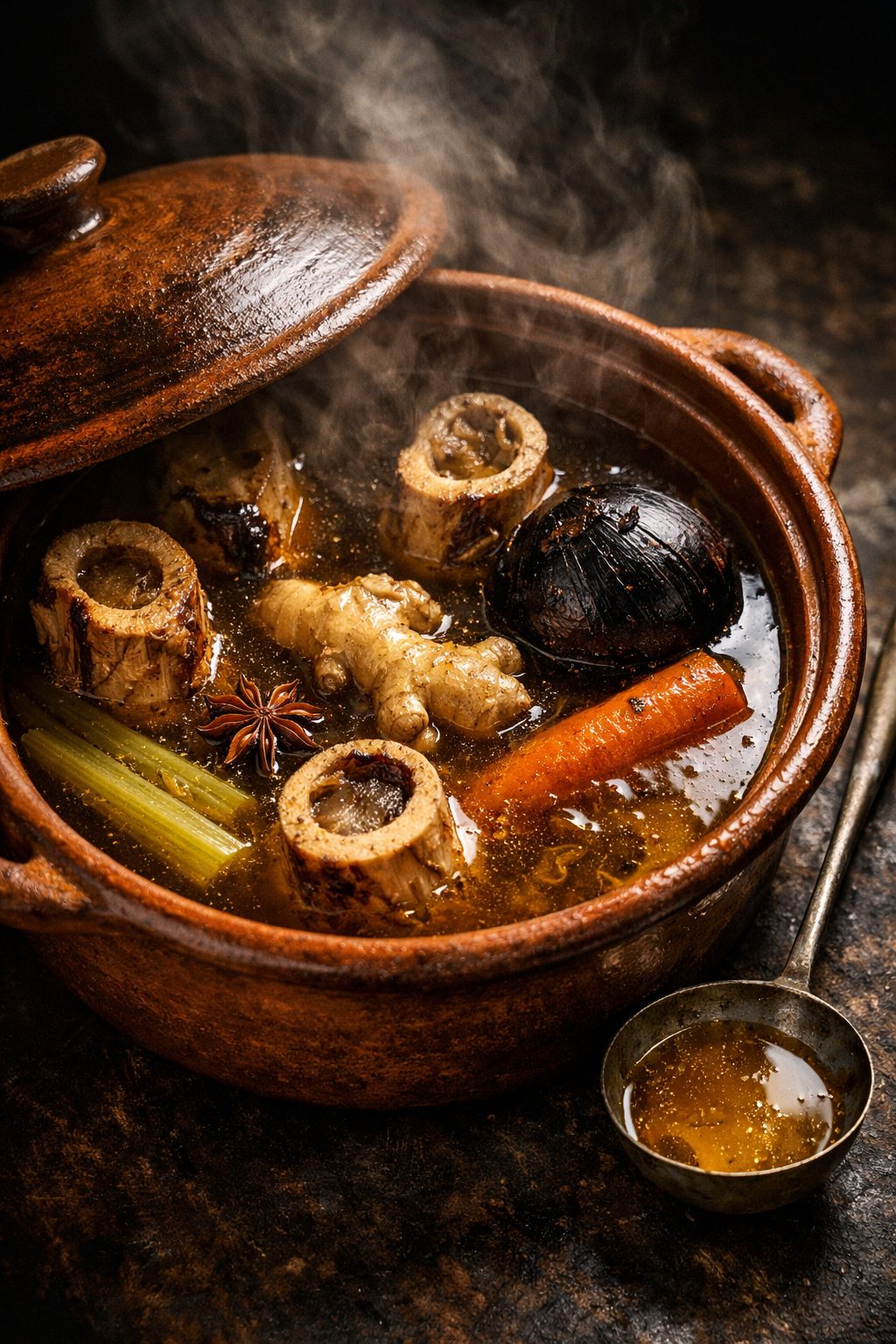
- Slow-cooked bone broth extracts glycine, proline, and betaine from collagen-rich tissues, compounds that support methylation as alternative methyl donors when MTRR function is impaired. Simmer bones for 12–24 hours at a very low temperature (82–93°C / 180–200°F), never a rolling boil, which degrades the collagen proteins.
- Grass-fed beef liver, lightly sautéed in ghee (3–4 minutes per side, pink in the center), delivers a complete methylation-supportive nutrient profile that no supplement stack can replicate: B12, folate, B6, zinc, copper, CoQ10, and choline simultaneously.
A Sample Fertility-Focused Day of Eating by Genotype
The following example assumes an individual with MTHFR C677T, slow COMT, and TNF-α G308A variants, a common combination that creates a profile of impaired methylation, estrogen-dominant tendency, and elevated inflammatory tone.
Morning
Two soft-boiled eggs (6.5 minutes, yolks runny) with a side of sautéed spinach, spinach added to a pan with a teaspoon of ghee over medium-low heat for only 90 seconds to preserve folate. A small bowl of mixed berries (frozen, thawed overnight). A warm cup of bone broth with a pinch of turmeric and black pepper. This meal supports MTHFR via folate from spinach, choline and B12 from eggs, anti-inflammatory polyphenols from berries, and glycine-betaine from broth, all with co-fats for absorption.
Midday
A large salad built on arugula and massaged kale (massaging with lemon juice and olive oil mechanically breaks down cell walls, improving sulforaphane precursor release without heat). Topped with wild-caught sardines (not rinsed, to preserve omega-3-rich oil), sliced avocado, broccoli sprouts, and a dressing of extra virgin olive oil, apple cider vinegar, and mustard, the mustard seed restoring myrosinase activity. This targets COMT and CYP1B1 simultaneously with sulforaphane compounds, while addressing TNF-α with omega-3s and polyphenols.
Afternoon
Chicken liver pâté on cucumber slices or gluten-free seed crackers. Liver prepared by soaking in cold water for 30 minutes (removes bitterness), then sautéed in grass-fed butter over medium heat, no more than 4 minutes per side. Blended smooth with thyme, garlic, and a splash of apple cider vinegar. A complete methylation meal in pâté form.
Evening
Wild salmon fillet slow-baked at 275°F for 22–25 minutes, served over steamed broccoli that was pre-chopped 40 minutes prior. A side of roasted garlic (roasted whole bulb, 375°F, 35 minutes, allicin converts to fat-soluble sulfur compounds that support Phase II liver detoxification). Finished with a drizzle of cold-pressed olive oil over everything. A glass of filtered water with a slice of lemon to support bile production and fat-soluble vitamin absorption.
Frequently Asked Questions
Can I find out which gene variants I have that affect my fertility?
Yes. Consumer genetic testing through platforms like 23andMe or AncestryDNA provides raw genetic data that a trained genetics-based nutrition practitioner can interpret for fertility-relevant SNPs including MTHFR, COMT, VDR, MTRR, and others. Specialized functional genetics panels through companies like Genomind or Opus23 offer more clinically oriented reports. At Mechanixx of Health, we work with your raw data or coordinate testing and then build a nutrition protocol around your specific results.
Does an MTHFR variant mean I cannot get pregnant naturally?
No. MTHFR variants, including the more significant C677T homozygous variant, do not prevent natural conception for most people. They create a metabolic vulnerability that, when unsupported nutritionally, can impair egg quality, elevate miscarriage risk, and compromise embryo development. When addressed through methylated supplementation and strategic dietary support, many individuals with MTHFR variants conceive naturally and carry healthy pregnancies to term. Genetics is tendency, not destiny.
How long does it take for dietary changes to affect egg quality?
Egg (oocyte) development takes approximately 90 days from the recruitment of a primordial follicle to ovulation. This means that the nutrients present in your body during the three months prior to a given cycle directly influence the quality of the eggs released in that cycle. Most fertility nutritionists recommend a minimum 90-day dietary and lifestyle intervention before assessing impact on reproductive outcomes. For sperm, the window is approximately 74 days (one complete spermatogenesis cycle).
Is it possible to "overcorrect" a gene variant with diet?
Yes, and this is an underappreciated risk in the wellness space. Individuals with fast COMT variants, for example, already clear dopamine and estrogen rapidly, excess consumption of high-DIM or I3C cruciferous vegetables may push estrogen too low, impairing ovulation and luteal phase function. Similarly, very high-dose unregulated methylfolate supplementation can cause overmethylation symptoms in sensitive individuals. This is precisely why genetics-based nutrition must be individualized and monitored, not generalized from a blog post alone.
Does cooking method really matter that much compared to just taking supplements?
Food delivers nutrients in a matrix of co-factors, fiber, and synergistic compounds that isolated supplements cannot replicate. The sulforaphane produced from enzymatically intact broccoli behaves differently in the body than sulforaphane in a capsule. The B12 in a lightly cooked oyster comes packaged with zinc, copper, and taurine that modulate its use. Cooking method determines how much of the nutrient matrix survives to reach your gut, and bioavailability of food-based nutrients consistently outperforms isolated supplementation in the research literature for most micronutrients. That said, for MTHFR specifically, targeted methylated supplementation alongside optimized diet is often the most effective combined approach.
What about male fertility and gene expression?
Male factor infertility accounts for approximately 40–50% of all infertility cases, and gene expression is equally relevant for sperm health. MTHFR variants are associated with sperm DNA fragmentation and poor morphology. TNF-α variants drive testicular inflammation. VDR variants affect testosterone synthesis. COMT variants influence dopamine and catecholamine balance, which impacts libido and hormonal signaling. The nutritional strategies outlined in this article apply to both male and female partners, fertility is a two-person biological equation.
The Bottom Line: Your Kitchen Is a Genetic Intervention
Fertility medicine has advanced enormously in the last two decades. But the daily choices made in your kitchen, how you chop a vegetable, how long you apply heat, what fat you pair with a nutrient, are genetic interventions happening three times a day, every single day. Understanding your gene expression does not require a medical degree. It requires the right information, the right food, and the cooking methodology to ensure that food delivers what your DNA is waiting for.
At Mechanixx of Health, we believe that food prepared with genetic precision is the most powerful fertility intervention most people will never be told about. Whether you are trying to conceive naturally, preparing for IVF, or working to support a partner's reproductive health, your genetics give us a map. Your kitchen is where the work happens.
The science is here. The food is real. The results are personal.
Ready to find out what your specific biology needs? Book a free Mechanixx Strategy Call at mechanixxofhealth.com/start, we'll look at your variants, your history, and build a fertility-focused nutrition protocol for your kitchen.
And if you want to go deeper, into the science, the ancestral traditions, and the recipes that bridge both, get Secrets of a Private Performance Nutrition Chef at mechanixxofhealth.com.
, Chef Alexx F. Guevara, CCC, CFGC
Mechanixx of Health | mechanixxofhealth.com